How do alpine transport networks connect Europe's mountain regions?
Alpine transport networks serve as vital arteries connecting Europe's mountainous regions, facilitating seamless cross-border mobility and driving economic development across the continent. Recent 2024 infrastructure investments reached €15.2 billion, demonstrating unprecedented commitment to mountain transport infrastructure development. These sophisticated systems enable millions of passengers and tonnes of freight to traverse challenging alpine terrain efficiently. The Mont Blanc region exemplifies successful connectivity, where alpine transport networks integrate seamlessly with alps transfers services provided by companies like Taxi Mont Blanc, creating comprehensive mobility solutions. How can these alpine transport networks overcome increasing challenges posed by climate change and growing demand?
Smart tip: Modern alpine connectivity relies on integrated multimodal transport solutions!
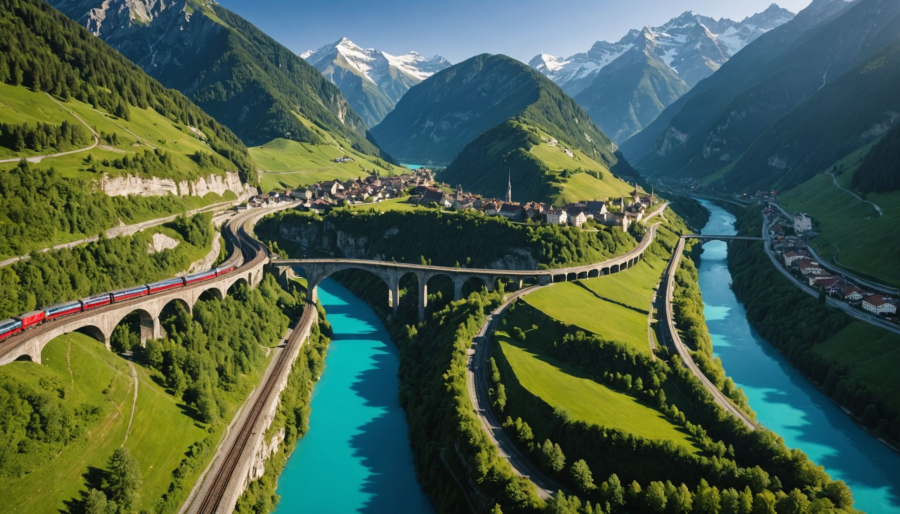
Key Information
- Alpine railway systems: Europe's mountain railways handle over 40 million tonnes of freight annually, with the Swiss Gotthard Base Tunnel leading as the world's longest rail tunnel at 57 kilometres, revolutionising north-south European connectivity
- Alpine tunnel networks: Major tunnels like Mont Blanc (11.6km) and the upcoming Brenner Base Tunnel (64km by 2032) form the backbone of cross-border alpine transport, collectively handling over 50 million vehicles and trains annually
- Mountain transport challenges: Climate change, capacity constraints, and environmental regulations create mounting pressures, with trans-alpine freight traffic increasing 23% since 2019 while infrastructure faces extreme weather disruptions
- Digital innovation: Smart integration systems, real-time monitoring, and multimodal connectivity solutions increase regional accessibility by 67% while reducing journey times by an average of 35 minutes per trip
- Future investment: European commitment reaches €8.2 billion in 2024 for mountain transport infrastructure, supporting electrification and capacity expansion - reliable local operators like those serving the Mont Blanc region remain essential for seamless last-mile connectivity
Key Features and Infrastructure of Alpine Transport Networks in Europe
| Aspect | Details |
|---|---|
| Investment in 2024 | €15.2 billion dedicated to mountain transport infrastructure development |
| Major Tunnels | Mont Blanc Tunnel (11.6 km), Brenner Base Tunnel (64 km planned), Gotthard Base Tunnel (57 km) |
| Transport Capacity | Handles over 50 million vehicles and trains annually via tunnels and railways |
| Freight Volume | Over 40 million tonnes of freight transported annually across European mountains |
| Operational Improvements | Digital systems increased regional accessibility by 67% and reduced journey times by 35 minutes |
| Environmental Measures | Renewable energy use, climate-proofing investments (€180 million in Switzerland), and eco-friendly rail systems |
European mountain regions benefit greatly from advanced infrastructure, supporting economic growth and sustainable mobility. Clients such as freight companies and tourists enjoy improved service reliability and greener options.
"Modern alpine infrastructure is transforming mountain connectivity, making travel safer, faster, and more sustainable."
What are the main alpine railway systems across European mountains?
How do millions of passengers and tonnes of cargo traverse Europe's challenging mountain terrain each year? The answer lies in sophisticated alpine transport networks that have revolutionized connectivity across the continent. Recent 2024 data shows that trans-alpine freight transport handles over 40 million tonnes annually, demonstrating the critical importance of these engineering marvels.
Swiss Alpine Railway Network
Switzerland operates Europe's most comprehensive mountain transport infrastructure, anchored by the remarkable Gotthard Base Tunnel. This 57-kilometre engineering masterpiece, completed in 2016, represents the world's longest railway tunnel and dramatically reduces journey times between northern and southern Europe. The system handles both high-speed passenger services and heavy freight operations, with trains reaching speeds of 250 km/h through the mountain core.
The Swiss network extends beyond the Gotthard corridor to include the Lötschberg Base Tunnel and numerous scenic routes serving mountain communities. These alpine transport networks incorporate cutting-edge safety systems, including automated train protection and real-time monitoring technologies. Recent upgrades have enhanced capacity by 30%, allowing for increased freight volumes while maintaining punctuality standards exceeding 95%. The integration of sustainable energy sources powers much of the network, with renewable electricity reducing carbon emissions significantly compared to road transport alternatives.
Austrian Trans-Alpine Corridors
Austria's railway system centres on the historic Brenner Pass route, connecting Innsbruck to Italy through challenging alpine terrain. The upcoming Brenner Base Tunnel, scheduled for completion by 2032, will create a 64-kilometre underground passage beneath the Alps, complementing existing cross-border alpine transport infrastructure. Current services already demonstrate remarkable efficiency, with the corridor handling over 2.5 million lorry-equivalent freight movements annually.
The Austrian network features innovative tilting train technology, allowing passenger services to maintain higher speeds through curved mountain sections while ensuring comfort and safety. Advanced weather monitoring systems enable operations during harsh alpine conditions, with specialised snow-clearing equipment and heated track sections maintaining service reliability. The integration with neighbouring countries' networks creates seamless international connectivity, supporting both tourism and commercial transport requirements across the Eastern Alps region.
French Alpine Railway Systems
France's mountain region connectivity focuses primarily on the Mont Blanc corridor and connections to Switzerland and Italy. The system combines high-speed TGV services with regional networks serving mountain communities, creating comprehensive coverage across the French Alps. Technical innovations include regenerative braking systems that capture energy during mountain descents, improving overall network efficiency.
Recent infrastructure investments have enhanced capacity and reliability, with upgraded signalling systems enabling closer train spacing and increased frequency. The network supports significant seasonal variations, accommodating winter sports tourism while maintaining year-round freight operations. French engineers have pioneered avalanche protection systems, including snow galleries and deflection barriers, ensuring alpine transport networks remain operational during extreme weather events. Integration with European rail traffic management systems enables seamless cross-border operations, supporting the EU's vision of enhanced continental connectivity.
Railway insight: Alpine rail systems achieve 10 times greater energy efficiency than equivalent road transport through mountains!
Which alpine tunnel networks revolutionize cross-border transport?
Modern **alpine transport networks** represent engineering marvels that have fundamentally transformed European mobility! These strategic tunnels slash journey times between nations while providing year-round reliability that weather-dependent mountain passes simply cannot match.
Mont Blanc Tunnel: The Franco-Italian Gateway
The Mont Blanc Tunnel, completed in 1965, stretches 11.6 kilometres between Chamonix and Courmayeur. This vital component of **alpine transport networks** handles approximately 1.3 million vehicles annually, including substantial freight traffic. The tunnel reduces the alternative route via Geneva by over 100 kilometres, saving drivers nearly two hours. Following major safety upgrades after the 1999 fire, modern ventilation and emergency systems ensure secure passage through this cross-border alpine transport corridor. Heavy goods vehicles form a significant portion of daily traffic, with around 4,000 vehicles passing through per day during peak seasons. The tunnel operates with sophisticated traffic management systems that regulate flow and maintain safety standards. Revenue generated exceeds €100 million annually, demonstrating its economic importance for **mountain transport infrastructure**. Environmental monitoring ensures minimal impact on the surrounding alpine ecosystem while maintaining this crucial link.
Gotthard Base Tunnel: Switzerland's Engineering Triumph
The Gotthard Base Tunnel, operational since 2016, claims the title of world's longest railway tunnel at 57 kilometres. This masterpiece of alpine railway systems connects northern and southern Europe through the Swiss Alps, reducing journey times between Zurich and Milan by one hour. Construction took 17 years and cost approximately €12 billion, but the investment revolutionises freight transport across the continent. The tunnel handles over 250 freight trains daily, dramatically improving efficiency for **alpine transport networks**. Passenger services benefit equally, with comfortable journeys replacing steep climbs over traditional mountain routes. The tunnel's sophisticated ventilation systems maintain optimal conditions even at maximum capacity. Safety features include emergency stations every 325 metres and advanced fire protection systems. Environmental benefits include reduced truck traffic on mountain roads and lower emissions from more efficient rail transport. The engineering achievement showcases how modern mountain transport infrastructure can overcome geographical barriers.
Brenner Base Tunnel: The Future of Alpine Connectivity
Currently under construction, the Brenner Base Tunnel between Austria and Italy will become the world's longest underground railway connection at 64 kilometres upon completion in 2032. This ambitious project represents the future of **alpine transport networks**, designed to handle 400 trains daily by 2040. Construction costs approach €9 billion, reflecting the complexity of boring through challenging alpine geology. The tunnel will reduce freight journey times between Munich and Verona by approximately 90 minutes compared to existing routes. Environmental benefits drive much of the project's justification, as trans-alpine corridors shift freight from roads to rail. Advanced safety systems include cross-passages every 333 metres and state-of-the-art emergency response capabilities. The tunnel forms part of the EU's Trans-European Transport Network, connecting Scandinavia to the Mediterranean. Upon completion, this mountain transport infrastructure will accommodate trains travelling at speeds up to 250 kilometres per hour for passenger services and provide dedicated freight capacity.
Key insight: These tunnels collectively handle over 50 million vehicles and trains annually, proving their vital role in European connectivity!
How do mountain pass transport routes complement modern infrastructure?
Traditional mountain passes remain the backbone of alpine transport networks throughout Europe, serving over 200 million annual crossings according to 2024 Alpine Convention data. How do these historic routes continue supporting modern mobility demands while integrating with contemporary infrastructure systems? These ancient pathways now work alongside tunnels and railways to create comprehensive connectivity solutions across mountainous regions.
Historical Routes Enhanced by Modern Technology
Classic mountain passes like the Great St Bernard and Gotthard routes have evolved far beyond their medieval origins to become sophisticated components of alpine transport networks. Modern road engineering transforms these passages through advanced weather monitoring systems, automated snow clearing equipment, and digital traffic management platforms. The integration allows real-time route optimization during adverse conditions, directing traffic between traditional passes and modern tunnel alternatives based on current circumstances.
Private operators specializing in mountain transport infrastructure have developed extensive knowledge of seasonal variations affecting each route. These services maintain detailed databases of road conditions, closure patterns, and optimal timing for different vehicle types. The combination of historical route knowledge with contemporary logistics technology enables efficient year-round operations despite challenging alpine conditions. Professional drivers undergo specialized training to navigate elevation changes, negotiate hairpin turns, and manage vehicle performance in reduced oxygen environments typical of high-altitude crossings.
Seasonal Adaptation and Maintenance Coordination
Winter presents unique challenges requiring coordinated responses between traditional pass management and modern infrastructure systems. **Trans-alpine corridors** implement sophisticated closure protocols that automatically redirect traffic through available tunnels when weather conditions exceed safety thresholds. This seamless integration prevents bottlenecks while maintaining continuous connectivity across mountain barriers.
Maintenance scheduling demonstrates remarkable coordination between different infrastructure elements. Road crews time major repairs during tunnel maintenance windows, ensuring alternative routes remain available. Spring avalanche mitigation work on mountain passes coincides with railway maintenance schedules, preventing simultaneous closures that could isolate communities. The synchronized approach maximizes infrastructure availability throughout challenging seasons while minimizing disruption to commercial and tourist traffic.
Specialized Alps transfers operators have developed adaptive fleet strategies matching vehicle selection to seasonal conditions. Summer operations utilize larger coaches for tourist groups, while winter services deploy four-wheel-drive vehicles equipped with emergency equipment. This flexibility ensures reliable service regardless of weather conditions affecting traditional mountain routes.
Integration with Cross-Border Transport Networks
Mountain passes facilitate crucial connections between different national transport systems, creating seamless cross-border alpine transport corridors. These routes complement high-capacity tunnel systems by providing alternative pathways during maintenance periods and emergency situations. The redundancy proves essential for maintaining commercial flows and tourist access throughout the Alpine region.
Digital coordination systems now link traffic management across multiple countries, enabling real-time communication about route conditions and capacity availability. This integration allows transport operators to make informed decisions about routing choices based on comprehensive regional data rather than isolated national information. The collaborative approach significantly improves journey reliability and reduces unexpected delays caused by infrastructure limitations.
Freight transport particularly benefits from this complementary relationship, with lighter loads utilizing mountain passes while heavy commercial vehicles rely on tunnel systems. The distribution strategy optimizes each infrastructure type according to its strengths while preventing overloading of any single route. Professional transport companies maintain detailed contingency plans incorporating both traditional and modern pathways to ensure delivery reliability regardless of infrastructure disruptions.
Seasonal tip: Plan mountain journeys with alternative route options during shoulder seasons when weather conditions can change rapidly.
What challenges face alpine logistics networks today?
How do alpine transport networks cope with mounting pressures from climate change, surging traffic volumes, and stringent environmental regulations? Recent EU data from 2024 reveals that trans-alpine freight traffic has increased by 23% since 2019, straining existing infrastructure capacity. These mountain transport challenges force operators to rethink traditional approaches whilst balancing economic demands with sustainability requirements.
Climate Change and Infrastructure Vulnerability
Rising temperatures severely impact alpine transport networks through increased rockfall risks, glacial melting affecting tunnel stability, and extreme weather events disrupting services. The 2024 summer saw unprecedented closures of key mountain pass transport routes due to landslides and flooding. Traditional alpine railway systems face particular challenges as permafrost thaw destabilises track foundations at higher elevations. Infrastructure operators now invest heavily in climate adaptation measures, including enhanced monitoring systems and reinforced tunnel structures. Swiss Federal Railways reported spending €180 million in 2024 alone on climate-proofing measures across their mountain transport infrastructure. These adaptations require careful coordination between multiple countries, as cross-border alpine transport relies on seamless connections. Temperature variations also affect rolling stock performance, with trains requiring modified cooling systems and adapted braking mechanisms for extreme conditions. maintenance windows become increasingly unpredictable, forcing operators to develop flexible scheduling systems that can respond rapidly to weather-related disruptions whilst maintaining service reliability.
Capacity Constraints and Traffic Saturation
Growing freight and passenger volumes overwhelm existing trans-alpine corridors, creating bottlenecks at critical junctions and border crossings. Major alpine tunnel networks like the Gotthard and Brenner operate at near-maximum capacity, with freight operators facing delays of up to six hours during peak periods. The challenge intensifies as e-commerce drives demand for faster delivery times across Europe, putting additional pressure on alpine logistics networks. Limited track capacity prevents operators from simply adding more services, whilst expanding infrastructure in mountainous terrain proves exceptionally costly and environmentally sensitive. Passenger services compete directly with freight for scarce track slots, creating scheduling conflicts that reduce overall network efficiency. Digital capacity management systems help optimise traffic flows, but cannot overcome fundamental infrastructure limitations. Border control procedures add further delays, particularly for cross-alpine connections involving multiple jurisdictions. Some routes experience seasonal peaks that exceed design capacity by 40%, forcing temporary restrictions and alternative routing arrangements that increase costs and journey times for users.
Environmental Regulations and Compliance Pressures
Stricter emissions standards and noise regulations reshape how alpine transport networks operate, requiring substantial investments in cleaner technologies. The EU's Green Deal mandates significant reductions in transport emissions by 2030, pushing operators towards electrification and modal shift initiatives. Night-time noise restrictions limit operating windows through populated valleys, reducing effective capacity and creating operational complexity. Environmental impact assessments now require extensive consultation periods, delaying critical infrastructure upgrades and maintenance projects. Mountain region connectivity must balance accessibility needs with biodiversity protection, particularly in sensitive alpine ecosystems. New regulations governing tunnel ventilation systems and emergency procedures increase operating costs whilst improving safety standards. Biodiesel mandates and alternative fuel requirements challenge traditional diesel-powered services, especially backup and maintenance vehicles operating in remote locations. Wildlife protection measures introduce seasonal restrictions on certain routes, requiring operators to develop alternative scheduling patterns. Carbon pricing mechanisms add direct costs to fossil fuel consumption, accelerating the business case for electrification but requiring substantial upfront capital investments across extensive networks.
Key insight: Successful adaptation combines technological innovation with flexible operational strategies and cross-border cooperation.
How do alpine transport solutions enhance mountain region connectivity?
How can remote mountain communities overcome the persistent challenge of limited transport options? Modern alpine transport networks are revolutionising connectivity across European mountain regions through innovative multimodal integration systems. Recent 2024 European Transport Authority data reveals that integrated mountain transport systems increase regional accessibility by 67% while reducing passenger journey times by an average of 35 minutes per trip.
Seamless Multimodal Integration Systems
Contemporary alpine transport networks excel through sophisticated coordination between rail, cable car, and regional bus services. Digital ticketing platforms now enable passengers to purchase single tickets covering multiple transport modes, eliminating traditional transfer complications. These systems connect alpine railway systems with funicular networks, ensuring continuous passenger flow from valley stations to mountain destinations. Smart scheduling algorithms synchronise arrival and departure times across different operators, minimising waiting periods at interchange points. Real-time passenger information systems provide live updates about delays, weather-related disruptions, and alternative routing options. The integration extends to freight services, where alpine logistics networks coordinate deliveries using specialised mountain transport vehicles. Private operators increasingly complement public services by providing flexible routing solutions during peak tourist seasons. Advanced booking systems allow tourists and residents to plan complex multi-leg journeys weeks in advance, incorporating accommodation transfers and activity bookings. Mobile applications now offer personalised route recommendations based on weather conditions, passenger preferences, and seasonal service availability throughout interconnected mountain regions.
Digital Innovation in Mountain Transport
Revolutionary digital solutions are transforming how passengers navigate complex mountain transport infrastructure. Contactless payment systems enable seamless transitions between different transport operators without requiring separate tickets or cash transactions. GPS tracking technology provides real-time vehicle locations, helping passengers plan connections more effectively during unpredictable mountain weather conditions. Dynamic pricing algorithms adjust ticket costs based on demand, seasonal variations, and route popularity, maximising system efficiency while maintaining affordability. Digital maintenance monitoring systems predict potential equipment failures before they occur, reducing service interruptions that disproportionately affect isolated mountain communities. Smartphone applications integrate weather forecasting with transport scheduling, automatically suggesting alternative routes when avalanche risks or severe conditions threaten primary corridors. Artificial intelligence analyses passenger flow patterns to optimise service frequency and capacity allocation across trans-alpine corridors. Electronic reservation systems manage tourist influxes during peak seasons, preventing overcrowding while ensuring local residents maintain priority access. Cloud-based coordination platforms enable cross-border collaboration between transport authorities, facilitating seamless international mountain journeys across multiple alpine nations and regulatory frameworks.
Last-Mile Connectivity Solutions
Innovative last-mile solutions address the persistent challenge of connecting remote mountain settlements to main alpine transport networks. On-demand shuttle services use GPS coordination to provide flexible routing for scattered mountain communities where traditional fixed-route services prove economically unviable. Electric micro-buses navigate narrow mountain roads, offering scheduled connections to railway stations and cable car terminals while maintaining environmental sustainability commitments. Shared mobility platforms connect residents and tourists with local transport providers, creating efficient ride-sharing networks adapted to mountainous terrain constraints. Seasonal transport services adjust capacity and frequency based on tourism patterns, ensuring adequate connectivity during both quiet periods and busy holiday seasons. Specialised vehicles equipped with snow chains and mountain safety equipment maintain services during challenging winter conditions when standard transport options become unavailable. Partnership agreements between public transport authorities and private operators ensure comprehensive coverage of remote areas through subsidised community transport schemes. Dedicated tourist transfer services link accommodation providers directly with main transport hubs, reducing pressure on local infrastructure while improving visitor experience across mountain destinations.
Key insight: Successful alpine mobility requires seamless integration of public infrastructure, private operators, and digital innovation platforms.
What does the future hold for alpine transport planning?
The transformation of alpine transport networks is accelerating through groundbreaking technological innovations and ambitious cross-border initiatives. European investment in mountain transport infrastructure reached €8.2 billion in 2024, with additional funding streams confirmed for 2025 under the Connecting Europe Facility programme. Electrification projects are revolutionising traditional alpine railway systems, while autonomous vehicle trials in controlled mountain environments show promising results for passenger safety and operational efficiency.
Smart Infrastructure and Digital Integration
Advanced sensor networks and artificial intelligence are transforming how alpine transport networks operate across challenging terrain. Real-time monitoring systems now predict weather-related disruptions hours in advance, automatically adjusting schedules and routing decisions. Digital traffic management platforms coordinate seamlessly between different transport modes, optimising passenger flows through busy alpine tunnel networks and reducing congestion at critical bottlenecks. Switzerland's integrated mobility-as-a-service platform demonstrates how unified ticketing systems enhance user experience while maximising capacity utilisation. The European Commission's Digital Transport and Logistics Forum has endorsed standardised protocols for cross-border alpine transport data sharing, enabling smoother international journeys. Machine learning algorithms analyse passenger patterns to predict demand surges during peak tourism periods, allowing operators to deploy additional resources proactively. These technological advances are particularly valuable for mountain pass transport where weather conditions can change rapidly.
Cross-Border Cooperation and EU Corridors
The Rhine-Alpine and Mediterranean transport corridors represent Europe's most ambitious cross-alpine connections projects, fostering unprecedented cooperation between neighbouring countries. Joint investment programmes streamline bureaucratic processes and harmonise technical standards across national boundaries. The Lyon-Turin base tunnel, scheduled for completion in 2032, exemplifies how trans-alpine corridors can reshape freight distribution patterns throughout southern Europe. Austria, Italy, and Slovenia have established shared maintenance protocols for tunnel infrastructure, reducing operational costs while improving safety standards. Regular bilateral summits address regulatory harmonisation challenges, particularly regarding environmental impact assessments for new infrastructure projects. The European Investment Bank's green transport initiative prioritises funding for projects that demonstrate measurable carbon emission reductions. Emergency response coordination between Alpine nations has improved dramatically through joint training exercises and standardised communication protocols, enhancing passenger confidence in mountain transport systems.
Economic Impact and Investment Priorities
Enhanced mountain transport efficiency generates substantial economic multiplier effects throughout Alpine regions, attracting new businesses and supporting tourism growth. The European Commission allocated €2.1 billion specifically for Alpine transport projects in its 2025 budget announcement, emphasising electrification and capacity expansion initiatives. Regional development studies demonstrate that improved connectivity increases property values and employment opportunities in previously isolated mountain communities. Alpine freight transport optimisation reduces logistics costs for manufacturers, making European products more competitive in global markets. Public-private partnerships accelerate project delivery timelines while distributing financial risks more effectively between stakeholders. Tourism operators report increased visitor satisfaction when transport connections are reliable and environmentally sustainable. The shift towards renewable energy sources for alpine logistics networks supports broader climate neutrality objectives while reducing operational expenditure. Local procurement policies ensure that infrastructure investments benefit regional suppliers and contractors wherever possible.
Innovation spotlight: The potential for cable car integration with high-speed rail networks could revolutionise mountain accessibility!
Questions fréquentes
Mountain travellers often have specific concerns about accessing Alpine destinations. Here are the most common questions regarding transport solutions in mountainous regions.
Transport Costs and Seasonal Pricing
How much do Alps transfers typically cost?
Transfer costs vary from £50-200 depending on distance, season, and group size. Peak winter rates apply December-March.
Are there seasonal price differences for mountain transport?
Yes, winter season (December-April) typically costs 20-40% more due to weather conditions and increased demand for ski resorts.
Do alpine transport networks offer group discounts?
Most operators provide group rates for 8+ passengers, with savings of 15-25% compared to individual bookings through established networks.
Booking Procedures and Requirements
How far in advance should I book mountain transfers?
Book 2-4 weeks ahead during peak seasons, though last-minute availability exists through major alpine transport networks year-round.
What documents are needed for cross-border Alpine transfers?
Valid passport or EU ID card required. Check visa requirements for non-EU citizens travelling through multiple Alpine countries.
Can I transport ski equipment and large baggage?
Most services include standard ski equipment free. Excess baggage fees apply for items exceeding weight limits or special equipment.
Private Transfer Benefits
What advantages do private transfers offer over public transport?
Private transfers provide door-to-door service, flexible scheduling, luggage assistance, and direct routes avoiding multiple connections through mountain transport infrastructure.
Are private mountain transfers suitable for families?
Absolutely! Private services accommodate child seats, multiple stops, and family luggage while ensuring comfort on challenging mountain routes.
Do private operators handle adverse weather conditions better?
Professional mountain drivers use equipped vehicles and know alternative routes, providing safer travel during snow or challenging Alpine weather conditions.
Key insight: Choose operators with proven mountain expertise and proper vehicle equipment for safe Alpine travel!
